The Clock Above the Door: How Community Value Status Is Buying London Pubs Time
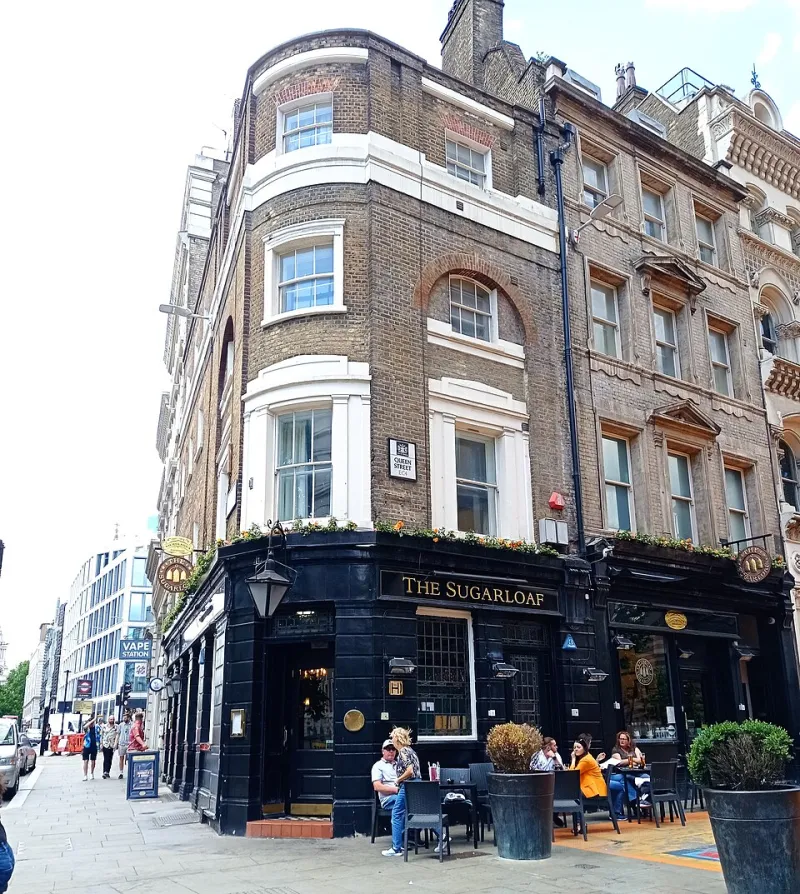
Photo: Philafrenzy, CC BY-SA 4.0, via Wikimedia Commons
When a pub closes, the argument usually begins after the shutters come down. The Asset of Community Value regime is designed to start it earlier. A nomination by a local group can place a building on a council’s list, and that listing can trigger a moratorium on a sale. The mechanism is often described as a lifeline. In practice it is closer to a stopwatch.
A clock, not a covenant
The legal basis lies in the Localism Act 2011, with the regime taking effect from 2012. A nomination must show that the current use furthers the social wellbeing or social interests of the local community, and that it is realistic to think that use will continue. Once listed, the owner must notify the council if it intends to sell. That notification opens a six-week interim moratorium. A community interest group can then ask for a full moratorium of six months, during which the owner may sell only to that group. When the period ends, the owner can sell to anyone.
The distinction matters. An Asset of Community Value listing is not a right to buy, a conservation designation or a permanent bar on redevelopment. It does not override planning permission, and it does not compel a pub company to keep the taps running. It creates a window in which a community group can organise, raise money and negotiate. Whether that window becomes a rescue depends on what happens inside it.
The paperwork test
In 2026, London boroughs are applying that test with varying levels of enthusiasm and rigour. Some publish clear guidance, maintain searchable lists and process nominations within weeks. Others take months, reject nominations on technical grounds and treat the regime as an administrative obligation rather than a strategic tool. The difference is not simply political. It is procedural.
Officers must decide whether a pub is genuinely used for community purposes, whether the nominated boundary includes a garden or car park, and whether a closed venue can still qualify. A pub that has been dark for a year may still be listed if the nominating group can show a realistic prospect of community use. A pub that is thriving may be listed precisely because its loss would be felt. Pub companies and developers often argue that nominations are speculative, that they chill investment and that the moratorium delays sensible redevelopment. Community groups reply that the clock is the only leverage they have.
The regime also imposes a duty on councils to maintain the list, review nominations and handle requests to remove entries. That is officer time, legal advice and committee attention. In a period of tight local government budgets, the quiet cost of administering the list is part of the story.
Who gets to decide
A listing is not the end of the decision. It is a signal that the council has recognised community value. The harder question is what the council does next. Some boroughs link listings to high street strategies, licensing policy and regeneration plans. Others keep the list at arm’s length, treating it as a statutory function rather than a planning priority. The result is a London patchwork in which a pub in one borough may get six months of structured support while a similar pub across the border gets a letter and a timetable.
Community groups are expected to use the moratorium to incorporate, raise funds, commission valuations and negotiate with owners. That is a demanding programme for volunteers. Where a group has professional support, the six months can produce a credible bid. Where it does not, the clock runs down. The pub may then be sold, converted or demolished, and the listing becomes a footnote in a planning file.
The London pattern
The capital’s pub stock is not uniform. Free houses, tenanted pubs, brewery-owned estates and family-run locals sit in different property markets. A corner pub in an inner London borough may be worth more as flats; a suburban pub with a large garden may attract a developer or a community buy-out. The Asset of Community Value regime does not distinguish between these cases. It simply gives the community a period in which to make its case.
That is why the regime is best understood as a procedural pause rather than a preservation policy. It buys time, but it does not buy certainty. The pubs that survive are often those where a council, a community group and an owner can reach an agreement before the clock expires. The ones that do not may still be listed, still be loved and still be lost.
What the clock reveals
In 2026, the question is not whether London values its pubs. It is who gets to decide what happens when a neighbourhood’s last gathering place becomes a development site. The Asset of Community Value regime puts a temporary answer in the hands of councils and community groups. It asks them to use a legal timetable to settle a question that is really about land, money and belonging.
The clock above the door is ticking. Whether it becomes a lifeline or a formality depends less on the legislation than on the willingness of boroughs to treat the six months as a period of consequence.